
Core Pain Points of Used Cars - Trust and Transparency
time2026/03/27
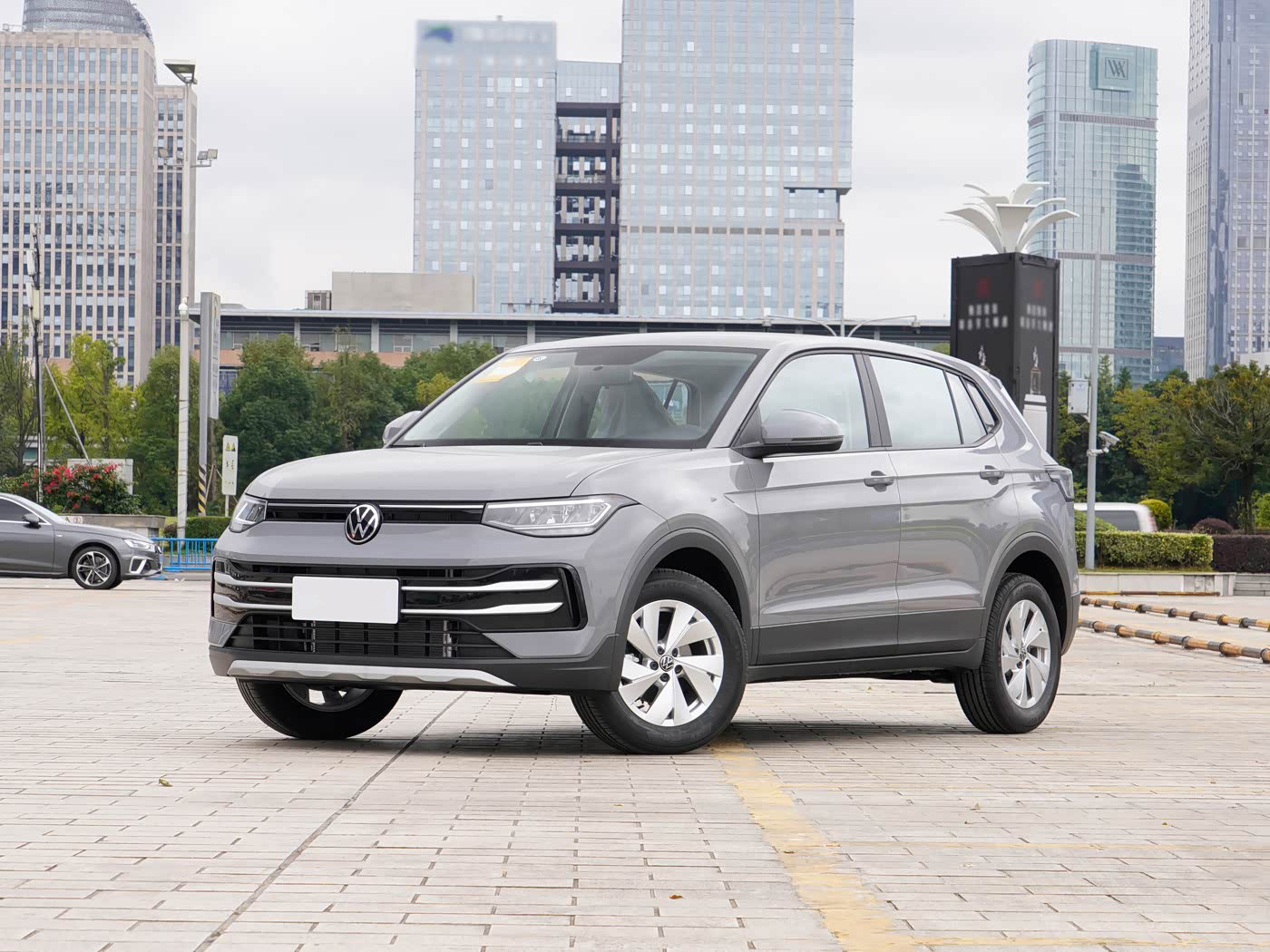
- Currently, consumers distrust used cars due to a lack of transparency. This includes issues like tampered odometers, accident-damaged cars, and flood-damaged cars that have been refurbished.
Currently, consumers distrust used cars due to a lack of transparency. This includes issues like tampered odometers, accident-damaged cars, and flood-damaged cars that have been refurbished. However, in recent years, the used car market has been quietly changing, shifting from "buying a car based on luck" to "transparent consumption."
I. Why is there a trust crisis in the used car market?
The biggest difference between used and new cars is that used cars are "non-standard" products. Different conditions, mileage, and colors result in different prices. Each car has its own unique condition, and in the used car transaction process, the power lies with the used car dealer, putting the buyer at a significant disadvantage.
1. Falsifying Car Conditions
Falsifying car conditions includes selling accident-damaged cars after extensive repairs as high-quality vehicles, tampering with odometers to sell high-mileage cars at low-mileage prices, and flood-damaged cars after extensive washing and refurbishment as normal-condition cars. 1. **Profiteering through falsified vehicle condition data:** Some vehicle conditions are difficult to detect even after third-party inspections.
2. Pricing Ambiguity: The practice of assigning individual prices to each vehicle, based on its condition, grants many used car dealers the privilege of setting their own prices and room for negotiation. Ordinary used car consumers often struggle to ascertain the true price or market value of a vehicle. Even when comparing prices in the market, they receive vague and unhelpful information.
3. Lack of Post-Sale Guarantee: Traditionally, used car dealers are responsible for all issues after purchase. To save costs during vehicle preparation, dealers often perform superficial repairs, sometimes even ignoring fault lights.
II. How to Achieve Transparency in Vehicle Condition?
All these practices require corresponding laws, regulations, or systems to regulate and address them. In recent years, various parties within the industry have worked to promote the following changes:
1. Third-Party Inspections Increase Vehicle Condition Transparency:Previously, the condition of a used car could only be obtained verbally from the seller. Now, almost all used cars priced over 30,000 yuan undergo a third-party inspection. With the involvement of third-party inspection agencies, information on vehicles involved in major accidents such as structural damage, water damage, and fire damage is presented. This protects both consumers and used car dealers.
2. Vehicle Condition History Can Be Searched and Traceable Previously, the condition of a used car could only be assessed by acquaintances in the mechanic or used car business. Now, in addition to inspection reports, vehicle condition can be accessed for a fee, including accident records, 4S dealership maintenance and repair records, and even details such as ownership transfers, insurance expiration dates, and traffic violations. This significantly reduces the risk for buyers and protects the rights of both consumers and dealers.
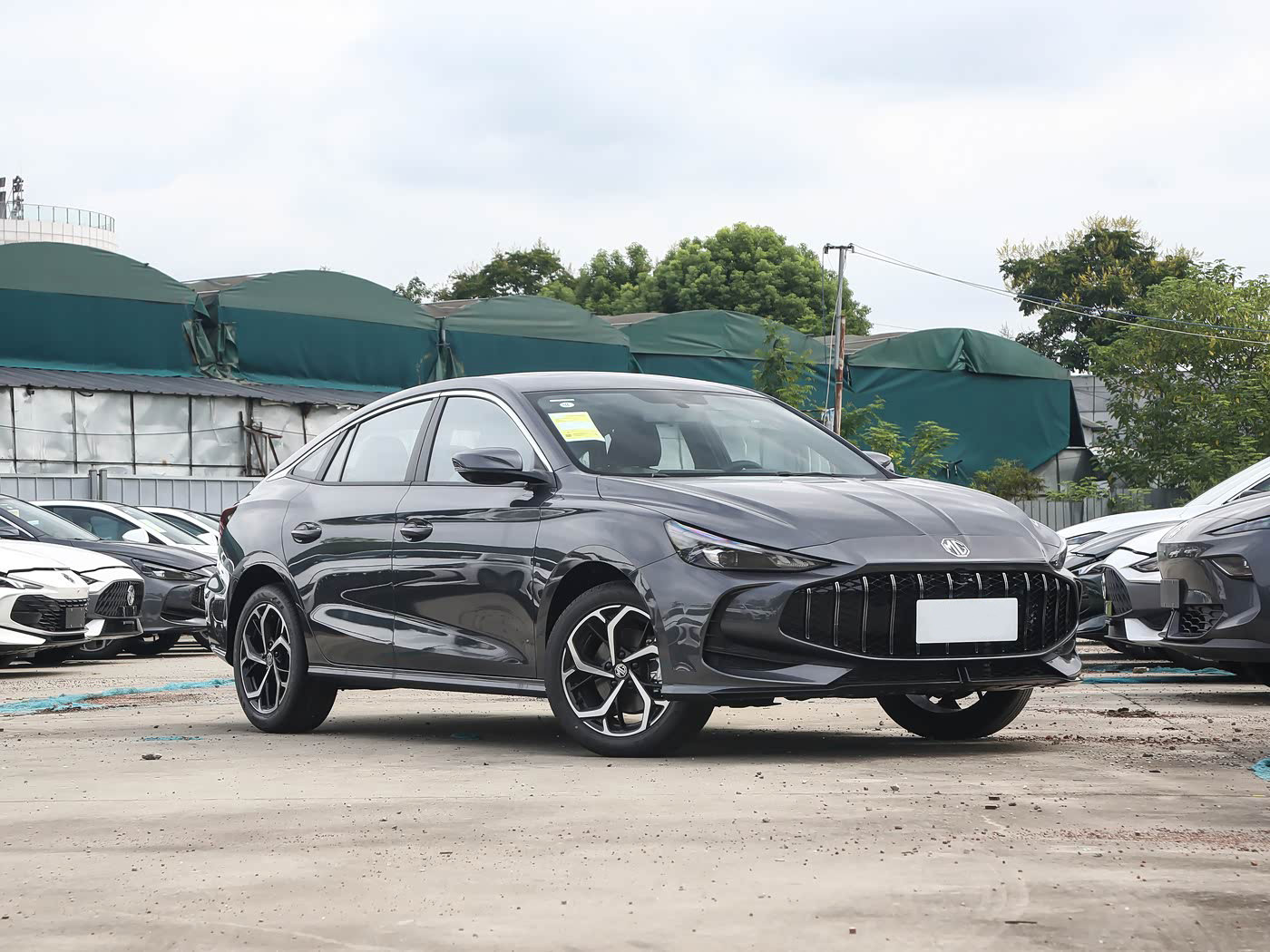
III. The Impact of Structural Changes on Used Car Dealers To sustain a used car business, dealers must reform and upgrade their current practices, and their business thinking and profit models need to be standardized and sustainable.
In the future, only large, reputable, branded, and chain-operated used car dealers will survive. They leverage their strong financial resources, brand influence, and after-sales service guarantees to provide consumers with peace of mind and trust when buying used cars, and they can sustain long-term operations through a low-profit, high-volume model.
Yitongda, as a professional used car exporter, is committed to providing customers with high-quality used cars, selling vehicles that have not been flooded, have not been in accidents, and are in their true condition. If you are interested in used cars, please contact us.