
How much of the total auto exports from China to Japan and South Korea in the first half of the year?
time2025/11/21
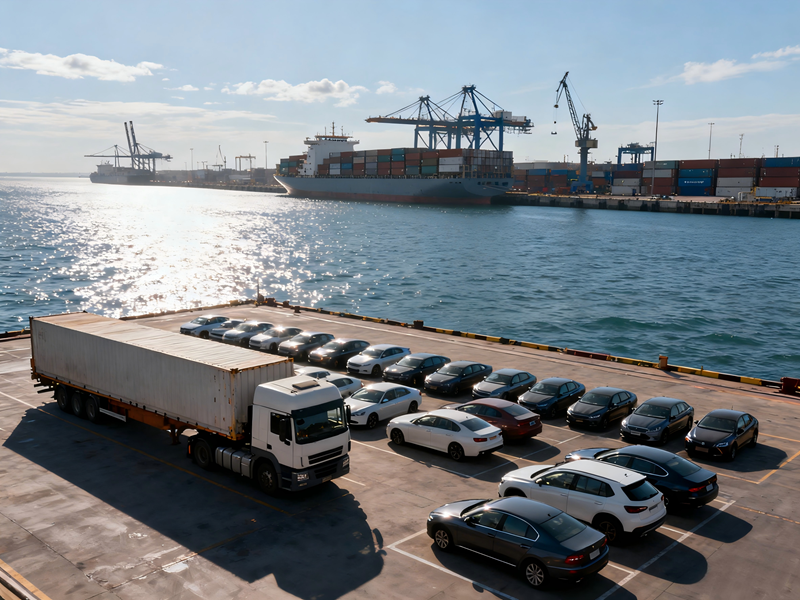
- First half of the year: Japan exported 2.04 million vehicles, South Korea 1.48 million, and China 3.08 million.
The automotive industry has six major car brands: American, German, Japanese, Korean, French, and the recently emerging Chinese electric vehicle brands. East Asia accounts for three of these, and it's no exaggeration to say that China, Japan, and South Korea represent half of the global automotive industry. In terms of exports, these three countries consistently rank among the top five in the world.
The first half of 2025 has ended, and major automakers have released their half-year financial reports. How many vehicles did China, Japan, and South Korea export respectively?
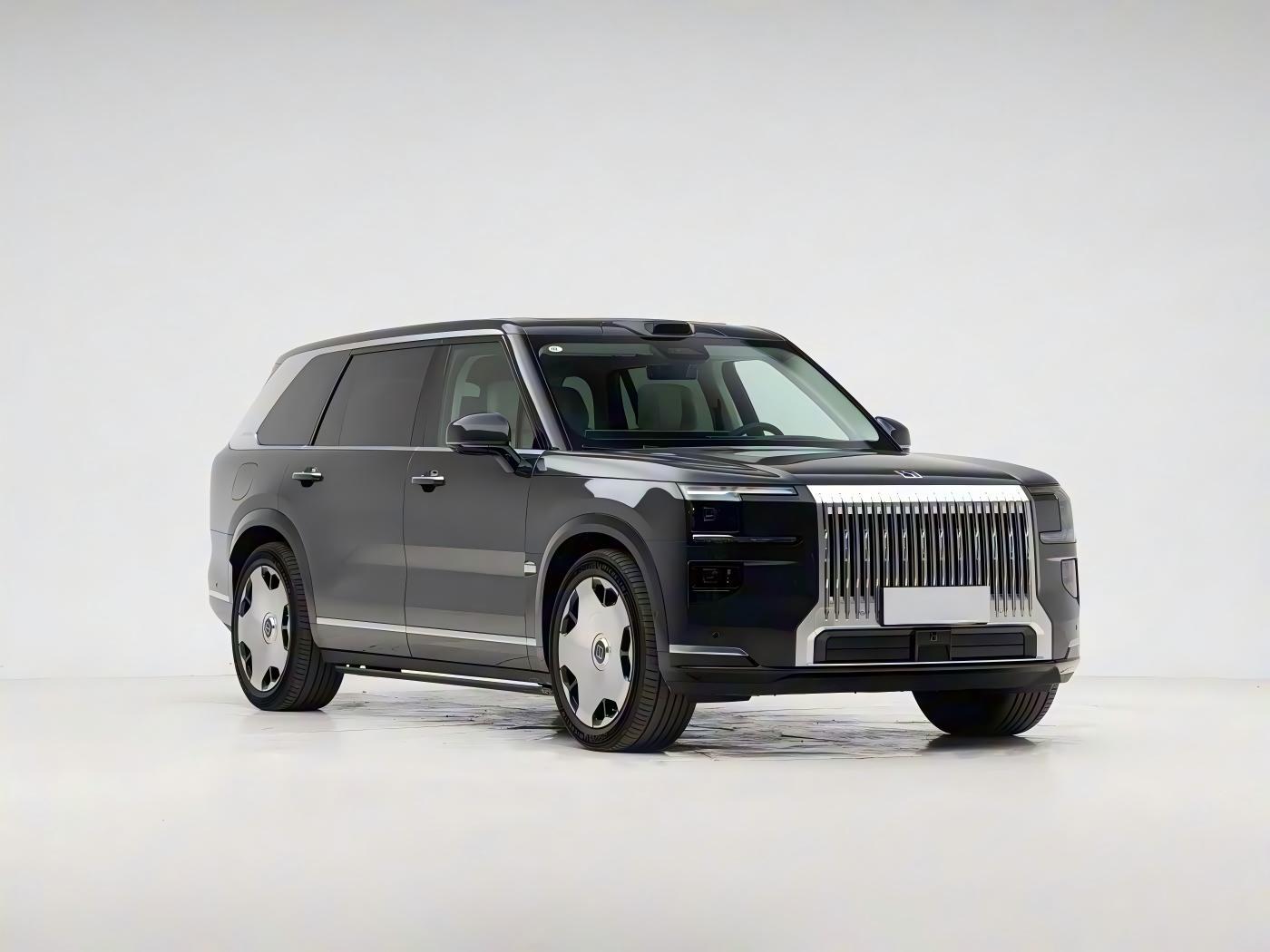
Japan's automobile exports reached 2.04 million units.
According to data from the Japan Automobile Manufacturers Association, thanks to the depreciation of the yen, Japan's automobile exports only slightly decreased year-on-year. Passenger car exports reached 1.83 million units, truck exports reached 143,000 units, and combined with other types of vehicles, automobile exports in the first half of the year remained at 2.04 million units.
The US tariff policy implemented in April this year severely impacted the Japanese automobile industry. From April 3rd, the US significantly increased the tariff rate on automobiles imported from Japan from 2.5% to 27.5%, leading to a sharp decline in Japanese automobile exports to the US. In June, Japanese automobile exports to the US fell by more than a quarter year-on-year, with exports from the Kyushu region decreasing by 67.8% in volume and 76.3% in value.
To cope with the impact of the tariffs, Japanese automakers were forced to adopt a "price reduction to maintain exports" strategy, absorbing the high tariff costs themselves to maintain their market share in the US. While this strategy preserved market share to some extent, it significantly squeezed profit margins, posing a challenge to the long-term development of the Japanese automobile industry.
South Korea's car exports reached 1.48 million units
While sales of Korean cars in China have declined significantly in recent years, South Korea remains one of the world's top five automotive powerhouses. In the first half of this year, South Korea's total car exports reached 1.48 million units. This achievement was made despite the unfavorable backdrop of the US imposing a 25% tariff on all imported cars starting in April, demonstrating the strong resilience of the South Korean automotive industry.
In terms of export structure, new energy vehicles were a highlight, with export value increasing by more than 70% year-on-year. New energy vehicle exports reached 385,000 units, with electric vehicles accounting for the largest share, followed by hybrid vehicles, plug-in hybrid vehicles, and hydrogen fuel cell vehicles. This data indicates that the South Korean automotive industry has made significant progress in its new energy transformation, with continuous optimization of its product structure.
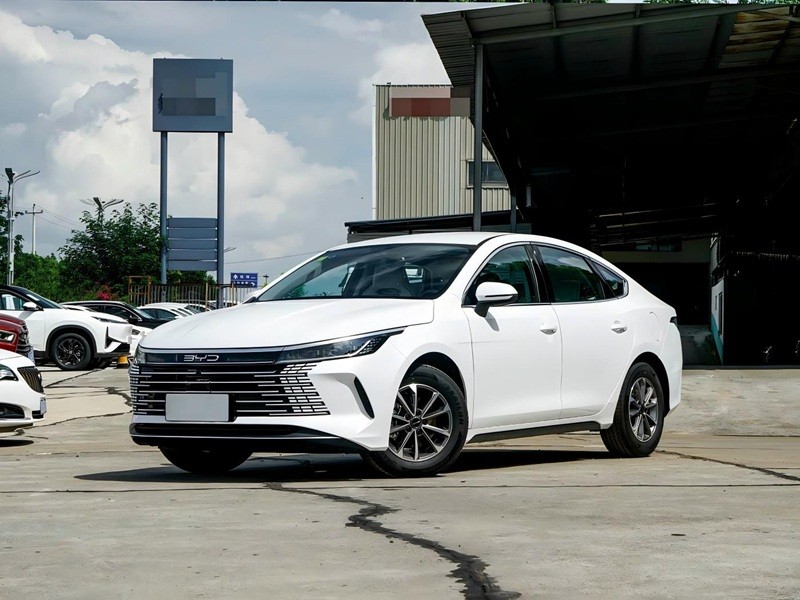
China's car exports reached 3.08 million units
Since 2023, my country's car exports have surpassed Japan's, becoming the world's largest car exporter. Last year, car exports reached a high of 5.86 million units, just shy of the 6 million mark.
In the first half of this year, China's automobile exports showed strong momentum, reaching 3.08 million units, a 10% increase year-on-year. This marks the third consecutive year that China has ranked first in the world in automobile exports, surpassing Japan by 1.04 million units. Total exports for the year are expected to reach a new high, exceeding 6 million units.
Notably, exports of new energy vehicles exceeded one million units for the first time in the first half of the year, reaching 1.06 million units, demonstrating rapid growth, with pure electric and plug-in hybrid vehicles performing particularly well. Among domestic automobile exporters, Chery continues to hold the top position, followed closely by BYD, whose growth rate has more than doubled. It is highly likely that Chery will surpass BYD in total exports by the end of the year or next year!