
How to maintain a used car in winter?
time2025/11/10
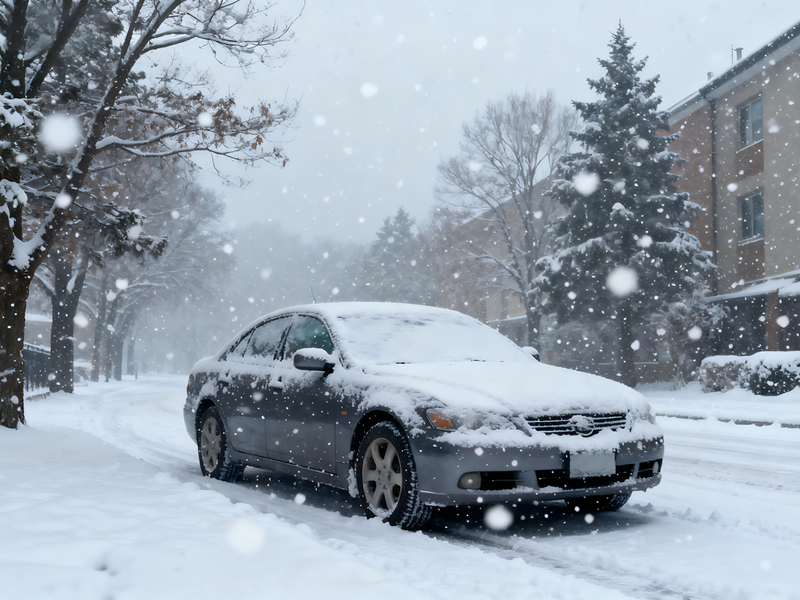
- Winter maintenance for used cars should prioritize core safety components such as the battery, tires, and brakes, followed by optimizing comfort-related features to ensure a smooth winter.
The core of winter maintenance for used cars is "checking for aging problems + strengthening weak components," focusing on parts prone to issues at low temperatures such as the battery, tires, and fluids. Used cars may have unresolved component wear and tear. Specific maintenance guidelines are as follows:
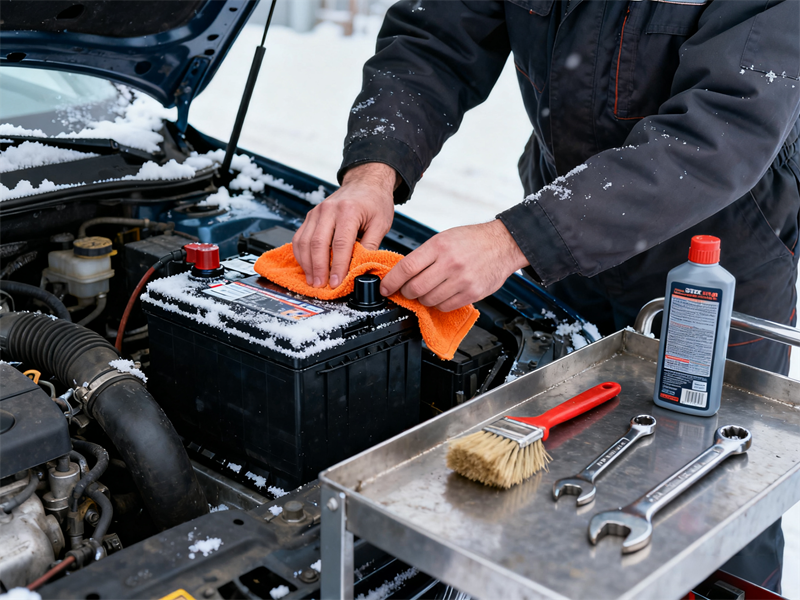
I. Prioritize checking the battery: Preventing breakdowns in low temperatures. The lifespan of used car batteries is often unclear, and their capacity decreases significantly at low temperatures, a frequent cause of breakdowns in winter.
- Check battery condition: Inspect the terminals for corrosion or looseness. If there is white powder, wipe it clean with warm water and tighten it. Measure the voltage using the dashboard or a multimeter. A stable voltage of 13.8-14.5V after starting the car is normal; below this may require charging or replacement.
- Recharging and Replacement: If the battery is over 3 years old, or if the vehicle starts weakly or the lights dim, it's safer to replace it with a new one. For long-term parking (over 3 days), start the car and let it idle for 10 minutes every 5 days to recharge the battery.
- Avoid Battery Drain: In winter, avoid leaving headlights and audio on for extended periods. Before getting out of the car, ensure all electrical equipment is turned off to reduce battery wear.
II. Tire Maintenance: Ensuring Winter Driving Safety
Used car tires may have uneven wear and aging issues. Low temperatures harden the rubber and reduce grip, so pay close attention to the following:
- Tire Pressure and Wear: Tire pressure drops approximately 0.07 bar for every 10°C decrease. Adjust the pressure by 0.1-0.2 bar according to your vehicle model's specifications. Tires with a tread depth below 1.6mm must be replaced. Tires with uneven wear should be rotated or have a four-wheel alignment performed promptly.
- Aging and Cracks: Check the tire sidewalls for cracks and bulges. If present, it indicates rubber aging, which is prone to cracking in low winter temperatures; replacement is recommended.
- Snow Tire Fit: In snowy areas, directly switch to snow tires; on predominantly wet and cold roads, ensure tire treads are intact to prevent slippage.
III. Fluid Changes: Adapt to Low-Temperature Winter Environments The fluids on a used car may not have been changed seasonally. Adjust the type promptly to avoid affecting component operation:
- Engine Oil: Choose according to the local lowest temperature. In cold regions, choose 0W-20, 5W-30, or other low-temperature fluids; in warmer regions, 5W-40 is suitable to ensure rapid engine lubrication during cold starts.
- Antifreeze: Check the freezing point (must be 5-10°C lower than the local lowest temperature). If the freezing point is below standard or the level is too low, replace it with a product with a freezing point below -35°C. Do not dilute with water.
- Windshield Washer Fluid: Replace with a winter-specific antifreeze type (freezing point below -20°C) to prevent the nozzles from freezing and clogging; also check the wipers. If the wiping is blurry or the rubber is worn, replace them promptly.
- Brake Fluid: If the brake fluid has not been changed for more than 2 years, it is recommended to replace it with new brake fluid. In winter, brake fluid fluidity decreases, and aged fluid may affect braking performance.
IV. Heating and Air Conditioning: Enhancing Comfort + Preventing Potential Hazards Heating is essential in winter. The heating system in a used car may have dust accumulation and blockages:
- Check Heating Performance: After starting the vehicle, turn on the heater and observe whether the airflow is smooth and whether the temperature rises quickly. If the airflow is weak or there is no heating, it may be a blower motor malfunction or a blocked heater core, requiring inspection.
- Replace the Cabin Air Filter: The cabin air filter in a used car is likely to be dirty, which not only affects airflow but also breeds bacteria. Replace the filter directly to ensure proper air circulation inside the vehicle.
- Clean the Air Ducts: Use an air conditioning cleaner to clean the air ducts, removing dust and odors, and improving heating efficiency.
V. Chassis and Exterior: Corrosion Prevention + Damage Repair
Used car chassis may have unrepaired dents and rust. Winter rain, snow, and de-icing salt will accelerate corrosion:
- Chassis Inspection and Protection: Check the chassis for rust, oil line leaks, and loose suspension components. If rust is severe, apply undercoating. Repair any dents with paint for rust prevention.
- Body Cleaning and Protection: After washing the car, thoroughly dry the body, especially door seams and wheel rims where water may accumulate, to prevent ice formation and paint damage. Wax or apply a car wrap to enhance corrosion resistance.
- Clean Drainage Holes: Check for blockages in the door and sunroof drainage holes to prevent water from freezing and damaging components.
VI. Used Car Exclusive: Hidden Hazard Investigation
- Braking System: Check brake pad thickness (replace if less than 3mm), check brake discs for scratches, and test brake sensitivity. Braking performance is crucial in winter when roads are slippery.
- Cooling System: Check water pipes and connectors for aging and leaks to prevent antifreeze leaks that could cause engine overheating.
- Sealing Strips: Check the door and window sealing strips for aging and cracking. Air leaks can lead to poor heating inside the car. Replace aged strips or apply a sealing strip protectant.
Winter maintenance for used cars doesn't require major repairs. Focus on checking and replacing aging parts, prioritizing core safety components like the battery, tires, and brakes, then optimizing comfort features for a smooth winter.
If you need a used car with long mileage or 0 mileage, please contact me. I can provide you with high-quality vehicles.